ARTICLES
The Impact of Aging Populations on Health and Social Care Training
The UK is witnessing an unprecedented demographic shift as more people enter their golden years. As of now, over 10 million individuals aged 65 and older make up about 18% of our population. This shift brings both challenges and opportunities for health and social care professionals, especially in how we educate and train our future workforce to meet the growing needs of an aging population.
November 21, 2024
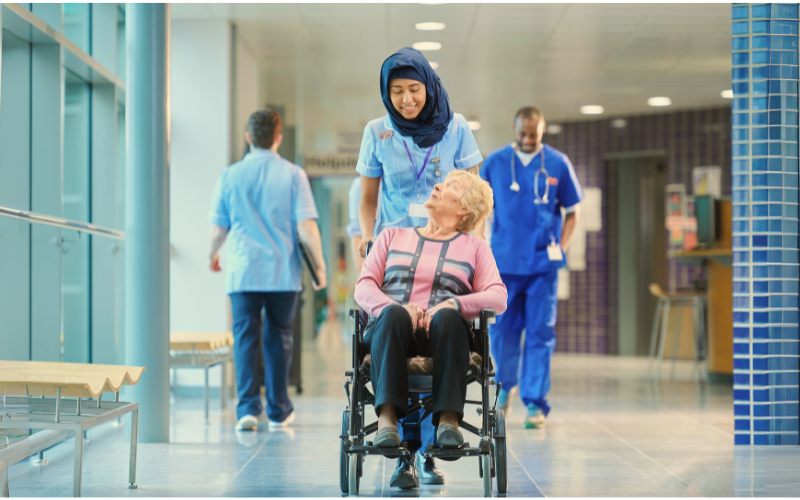
Understanding the Demographic Shift:
This rise in the elderly population isn’t just a local phenomenon; it's a global trend. By 2050, we could see around two billion people aged 60 and over. That’s a staggering number, and it’s going to change how we deliver healthcare. To get ready for this we need to update our training programs to reflect these changes, and ensure students are equipped to meet the specific needs of older adults.
Changing Health Needs:
Older adults face unique health challenges that differ from those of younger populations. Conditions like arthritis, high blood pressure, respiratory diseases, cancer, and diabetes are prevalent, impacting more than half of older adults. Additionally, dementia affects over 55 million people worldwide, and many older adults report issues with mobility and depression. Alarmingly, around 22% of men and 28% of women aged 65 and older experience depression, yet an estimated 85% receive no support. These statistics highlight the urgent need for focused training in geriatrics to equip caregivers with the skills necessary to manage these complex conditions.
Education and Learning
Curriculum Adjustments:
Health and social care programs are increasingly updating their curricula to include modules on geriatrics and age-related health issues. This ensures students gain both theoretical knowledge and practical skills essential for caring for older adults. By integrating age-specific training, educational institutions are addressing workforce shortages and preparing students to tackle the challenges of elder care head-on.
Interdisciplinary Learning:
Collaboration among healthcare professionals—like nurses, social workers, and physiotherapists—is vital for providing holistic care. Teamwork enhances patient outcomes and enriches the learning experience, fostering a supportive environment of shared knowledge.
Practical Experience through Placements:
Hands-on training in settings that cater to older adults offers invaluable experience. These placements allow students to apply their theoretical knowledge in real-world situations, building their skills and confidence in delivering high-quality care.
Focus on Communication Skills:
Effective elder care relies heavily on strong communication. Training must emphasise empathy, active listening, and cultural competence, enabling healthcare professionals to engage meaningfully with older patients and their families. By fostering these skills, we can create a more compassionate and understanding healthcare environment.
Technological Integration:
Technology is becoming increasingly important in elder care, from telehealth services to wearable devices. Training future caregivers to support older adults in using technology is essential, especially since more than half of older adults want to improve their digital skills. Addressing concerns about complexity and providing guidance can empower older adults and enhance their quality of life.
Addressing Workforce Shortages:
The healthcare sector is facing a looming workforce crisis, worsened by retiring professionals and rising demand for elder care services. The NHS is experiencing significant staffing gaps, with around 110,000 full-time positions currently unfilled. Similarly, adult social care is grappling with over 100,000 vacancies daily. Focusing on elderly care in training programs can inspire more students to pursue careers in health and social care, helping to address these shortages.
Training and Development
The Role of Policy and Lifelong Learning:
Government policies and funding are crucial in shaping effective training programs. Supporting these initiatives helps prepare students for rewarding careers in elder care. Lifelong learning is also essential, as continuous education keeps existing professionals updated on best practices in geriatric care, ensuring a skilled and agile workforce.
The impact of aging populations on health and social care training is profound. By adapting our educational approaches, we can ensure that future healthcare professionals are well-equipped to meet the needs of older adults. Let’s continue to innovate, collaborate, and find solutions that positively impact the lives of our seniors.