ARTICLES
How to set work habits that stick in 2026
Setting good work habits always seems straightforward, until you’re a few weeks in. Every January, we get that "new year, new you" feeling and set out to overhaul our routines. . We pledge to leave school on time every Thursday. We promise to stop checking emails on Sundays. We say we're going to finally tackle that CPD course. And then February hits. The marking pile grows. A flu bug wipes out half the staff room. Suddenly, those habits are gone. From where we sit as a recruitment agency, it’s clear: motivation isn’t usually the problem. The real challenge is making habits that can stand up to the messiness of real life.
January 16, 2026
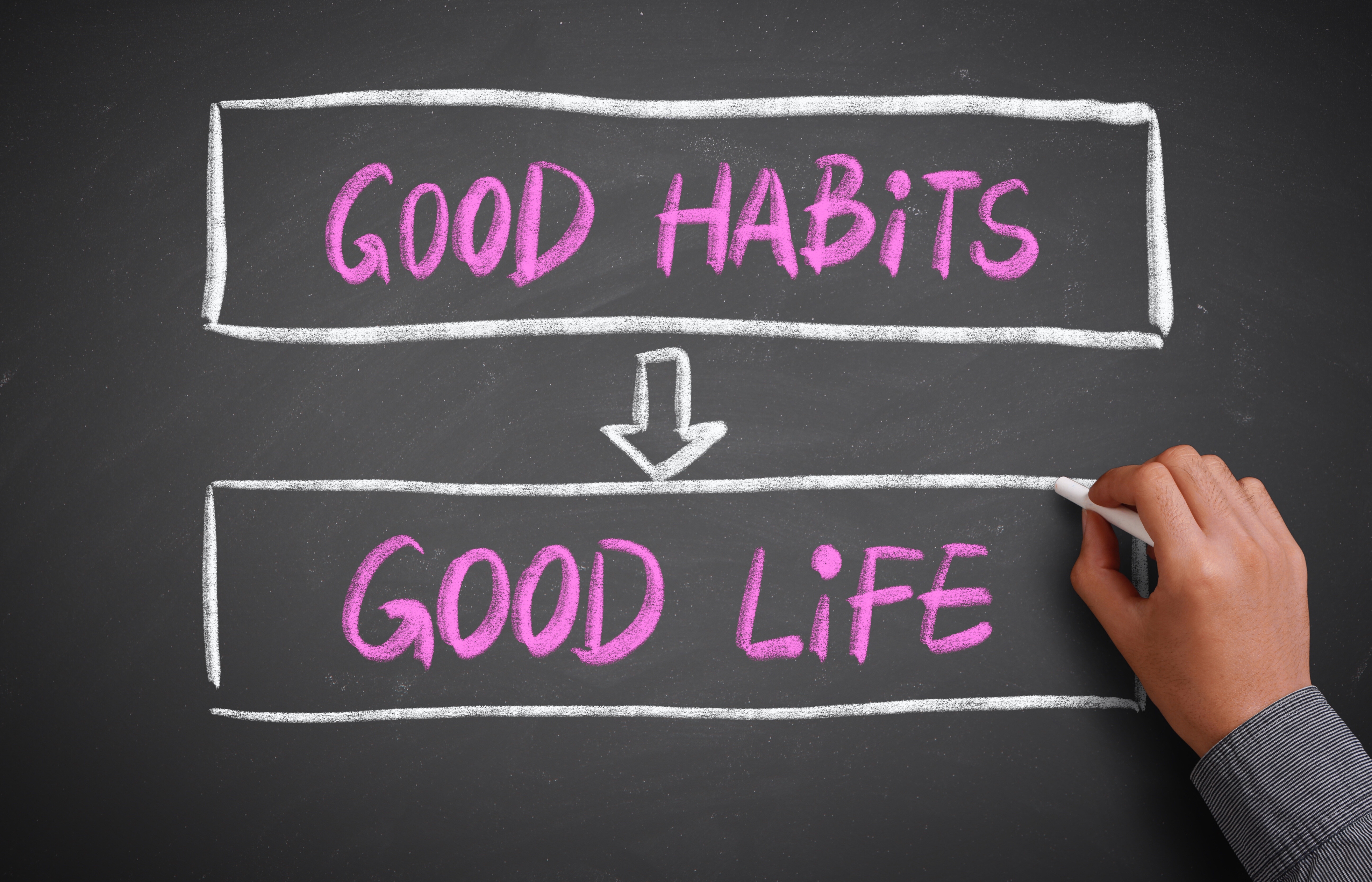
Here’s how to build work habits that actually stick, even when things get busy.
Stop trying to overhaul everything
The biggest mistake is ambition. That sounds wrong but hear us out. If you try to change your marking schedule, your sleep routine, your diet, and your lesson planning approach all in the first week of January, you will crash.
Pick one thing. Just one.
If your goal is to leave school by 4:30 PM twice a week, focus only on that. Ignore the other stuff for now. Once that one habit feels manageable, then you can pick another one.
The "If-Then" rule
Willpower is unreliable, especially when you’re tired. And let’s be honest, by lesson 5 on a rainy Tuesday, everyone is tired. Instead of relying on motivation, use a simple rule: "If X happens, then I do Y."
It removes the decision-making process. Decision fatigue is real for educators. You make hundreds of micro-decisions a day. Don't add more.
Examples that actually work:
- If the bell rings for the end of the day, then I immediately write down my top three tasks for tomorrow before leaving my desk.
- If I receive an email from a parent after 6 PM, then I draft the reply but schedule it to send at 8:30 AM the next day.
- If I am marking books, then I will set a timer for 45 minutes and stop when it goes off, no matter what.
Make it small
This is a concept from behaviour science that works brilliantly in busy colleges. Make the habit so small it feels silly to say no to it.
Want to get better at staying on top of admin? Don’t commit to "doing admin for an hour a day." Commit to "filing one piece of paper before I get my morning coffee."
It sounds pointless. But it builds the neural pathway. It proves to your brain that you are the kind of person who files things. Momentum is powerful. Often, once you’ve filed that one paper, you’ll do two or three more because you’re already there. But if you don't, that's fine. You met the goal.
Find an accountability buddy
Find a colleague who is slightly more disciplined than you, or who has a similar specific goal. If you both agree to leave the building at a certain time, you’re more likely to do it if someone is waiting by the door. We see this in job hunting all the time, candidates who have a mentor or a peer checking in on their application progress are far more successful than those going it alone.
Be kind when you fail
You will mess up. There will be a week in March where everything falls apart because Ofsted calls or it’s report season.
That doesn't mean you failed. It means you had a bad week. The habit isn't broken; it's just paused. The most successful educators aren't the ones who never stumble; they are the ones who get back to the routine the following Monday without beating themselves up.
2026 doesn't need a "new you." The current you is probably doing a great job. You just need systems that support you, rather than guilt trips that exhaust you.